
A woman sleeping peacefully in bed
Most writing about nightmares focuses on the person having them. The racing heart. The replayed memory. The dread of falling asleep again.
But there is almost always someone else in the room. A partner lying still in the dark, deciding whether to wake them. A parent listening to the monitor, already half out of bed. A sibling on the other side of a thin wall who has learned to recognise the sound.
This story is for them.
The 3 a.m. calculation
If you have ever shared a bed with someone who has nightmares, you know the calculation. They start to move. Their breathing changes. Maybe they make a sound that is not quite a word. And in those few seconds you have to decide: do I wake them up, or do I let it pass?
Wake them too early and you have pulled them out of normal sleep for nothing. Wake them too late and they sit up gasping, disoriented, sometimes not recognising you for a moment. Let it pass and you spend the next twenty minutes listening, ready, unable to sleep yourself.
Nobody teaches you how to make this call. You learn it the hard way, over months or years, until it becomes a quiet expertise that nobody else in your life knows you have.
The morning silence
There is a particular kind of silence the morning after. They might not remember it. They might remember it perfectly and not want to talk. You learn to read which kind of morning it is before you say anything.
Partners of people with chronic nightmares often describe a strange split: you were there for it, you heard it, you felt them shake, and yet by breakfast it can feel as if it never happened. Bringing it up can feel like an intrusion. Not bringing it up can feel like a lie.
Many of the people who message us about SleepSafe are not the person who has the nightmares. They are the partner. They write things like, "I just want to know if there is anything I can do," or, "I feel useless lying next to them."
You are not useless. You are doing one of the hardest things a person can do, which is to stay close to someone else's fear without being able to take it from them.
For parents, it is a different kind of vigilance
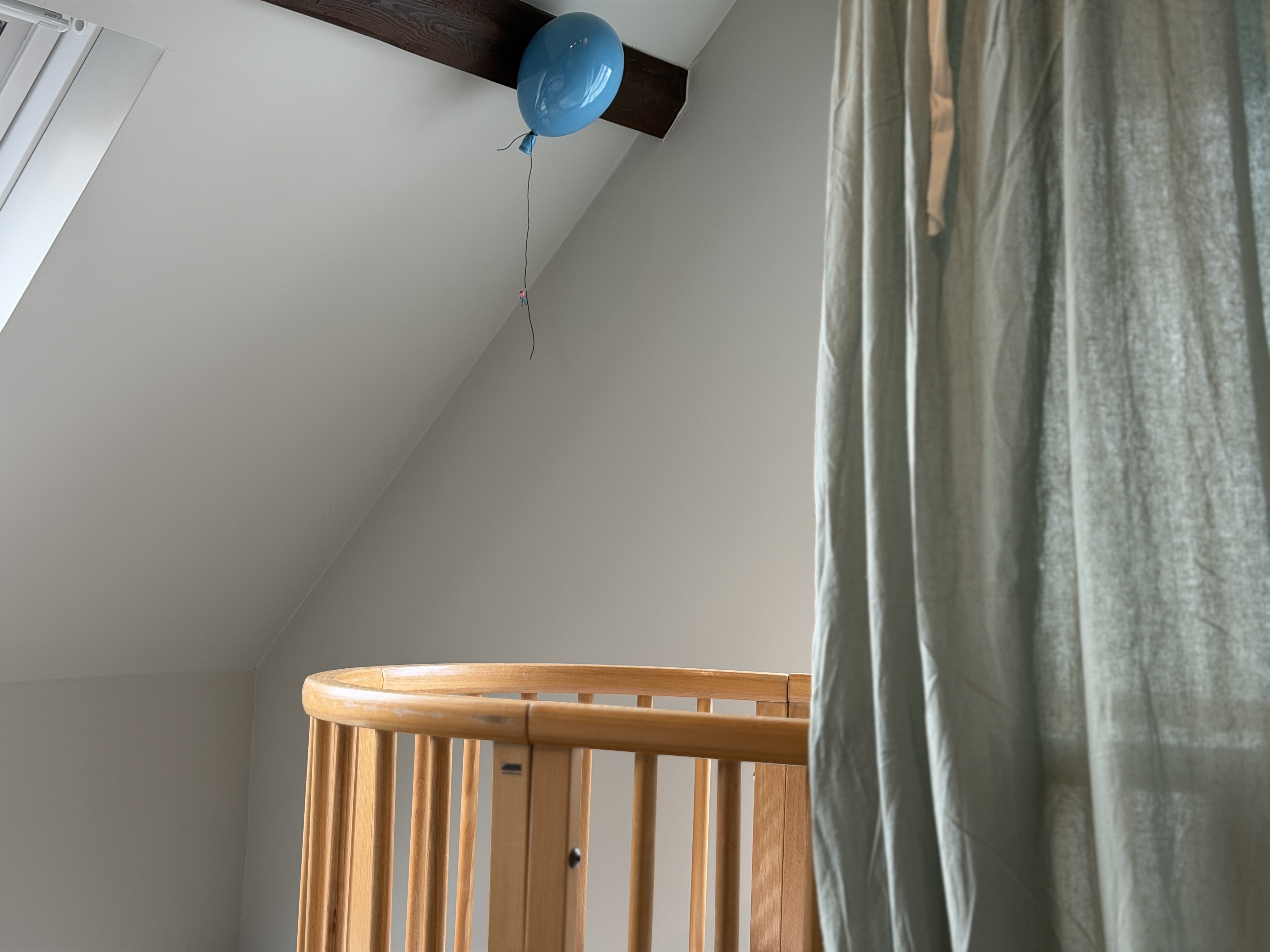
Parents of children with night terrors describe something slightly different. Children having a true night terror often appear awake. Their eyes can be open. They might scream, thrash, talk. They will not respond to their name. Most of them will not remember any of it the next day.
The advice from clinicians is usually to keep them safe and not to try to wake them. That advice is medically sound and emotionally almost impossible. Watching your child in distress and being told the best thing you can do is wait is one of the loneliest experiences a parent can have.
If that is you, the thing worth knowing is that you are not failing them by not fixing it in the moment. Night terrors typically resolve on their own within minutes, and most children grow out of them. Your job in that moment is not to cure it. It is to make sure they are safe, and to be the calm thing they wake up next to.
The tiredness nobody sees
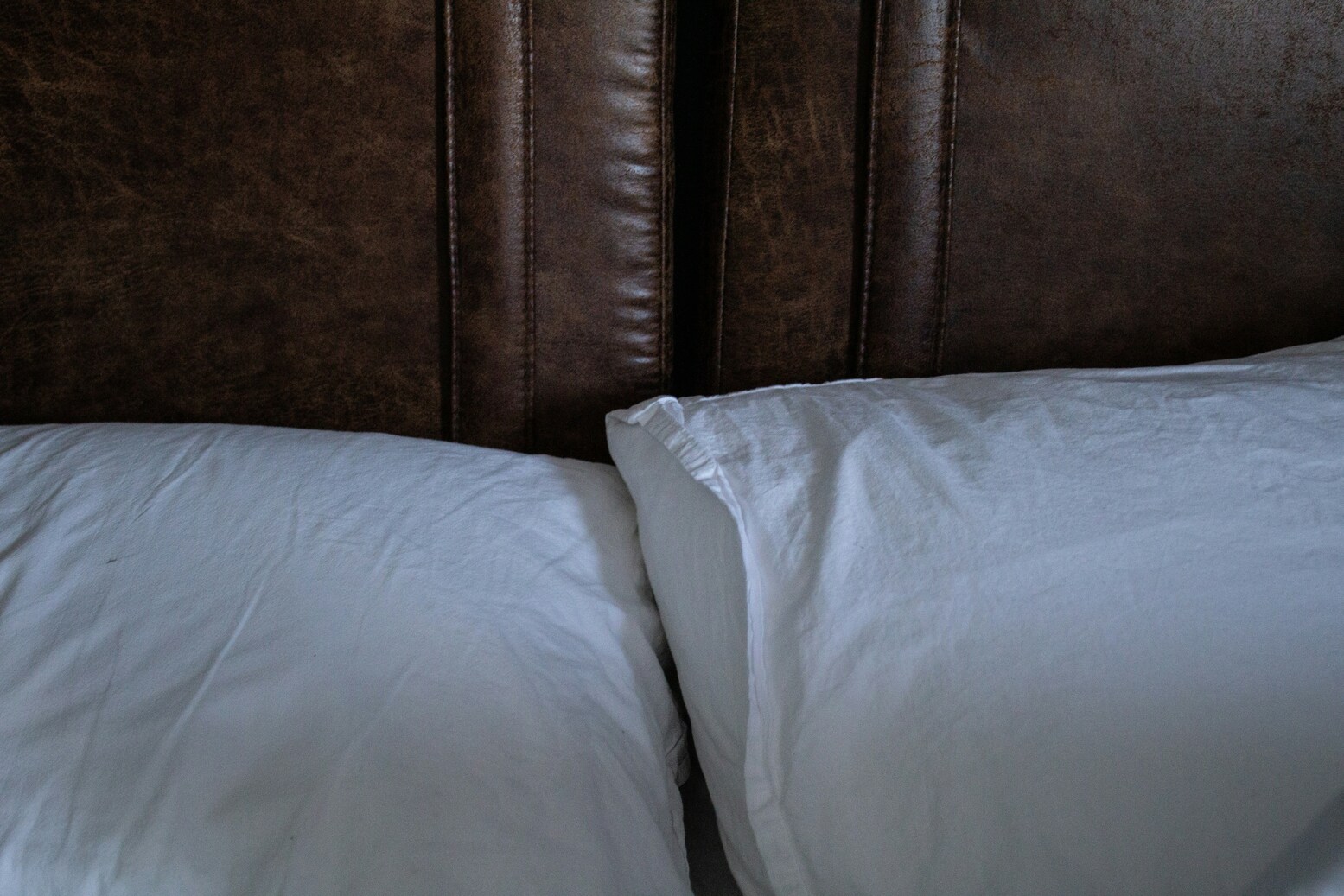
There is a kind of tiredness that comes from being the second person in someone else's bad night. You went to bed at the same time. You woke up at the same time. On paper you got the same amount of sleep. But you spent two hours of it on alert, and your body knows.
Partners and parents in this position often go to work the next day without telling anyone what their night actually looked like. It does not feel like their story to tell. So they carry it quietly, and the people around them assume they are just a bit off today.
If you recognise yourself in any of this, the first useful thing is simply naming it. You are not overreacting. You are not making it about yourself. You are responding, correctly, to a real and repeated thing that is happening in your home.
Why we built SleepSafe with you in mind too
When we started building SleepSafe, the obvious user was the person having the nightmares. But as soon as we started talking to real users, we kept hearing from the other side of the bed.
"I sleep better now because I know something will catch it before I have to."
"My husband does not always notice when one starts. The watch does."
"For the first time in years, I do not lie awake listening."
A gentle haptic on the wrist is a small thing. But it is a small thing that often happens before you would have noticed anything at all. That means the nightmare is sometimes redirected before it becomes the kind of event that wakes the room. Not always. But often enough that people tell us their whole household sleeps differently now.
That is not the part of the story we usually lead with. It felt worth telling on its own.
A short note, if you are the partner or parent reading this
You are allowed to be tired. You are allowed to find it hard. You are allowed to want help, even though you are not the one having the nightmares.
The person you love is not choosing this, and neither are you. Looking after yourself, whether that means talking to someone, protecting your own sleep when you can, or just letting yourself acknowledge that this is heavy, is not a betrayal of them. It is part of how you keep showing up.
You have been doing the quiet work for a long time. We see you.
If nightmares or night terrors are affecting your household, talk to a healthcare provider. SleepSafe is designed as a complementary tool and is not a replacement for professional treatment.