Stories & Insights

    Research, interviews, and real stories from the frontier of sleep science.Understand your sleep. Transform your nights.

    All Stories

    A tired man sits at a kitchen table at dawn, holding a mug of coffee in both hands and looking out of the window.

    When Bad Dreams Become Nightmare Disorder

    Almost everyone has nightmares. For a few percent of adults they come often enough, and weigh heavily enough, to become a condition of their own.

    Occasional nightmares are a normal part of sleep. When they return week after week and start to shape your days, they can meet the definition of nightmare disorder. Here is where the line is, who is most affected, and how it shows up in the rest of your sleep.

    SleepSafe Team
    4 min read
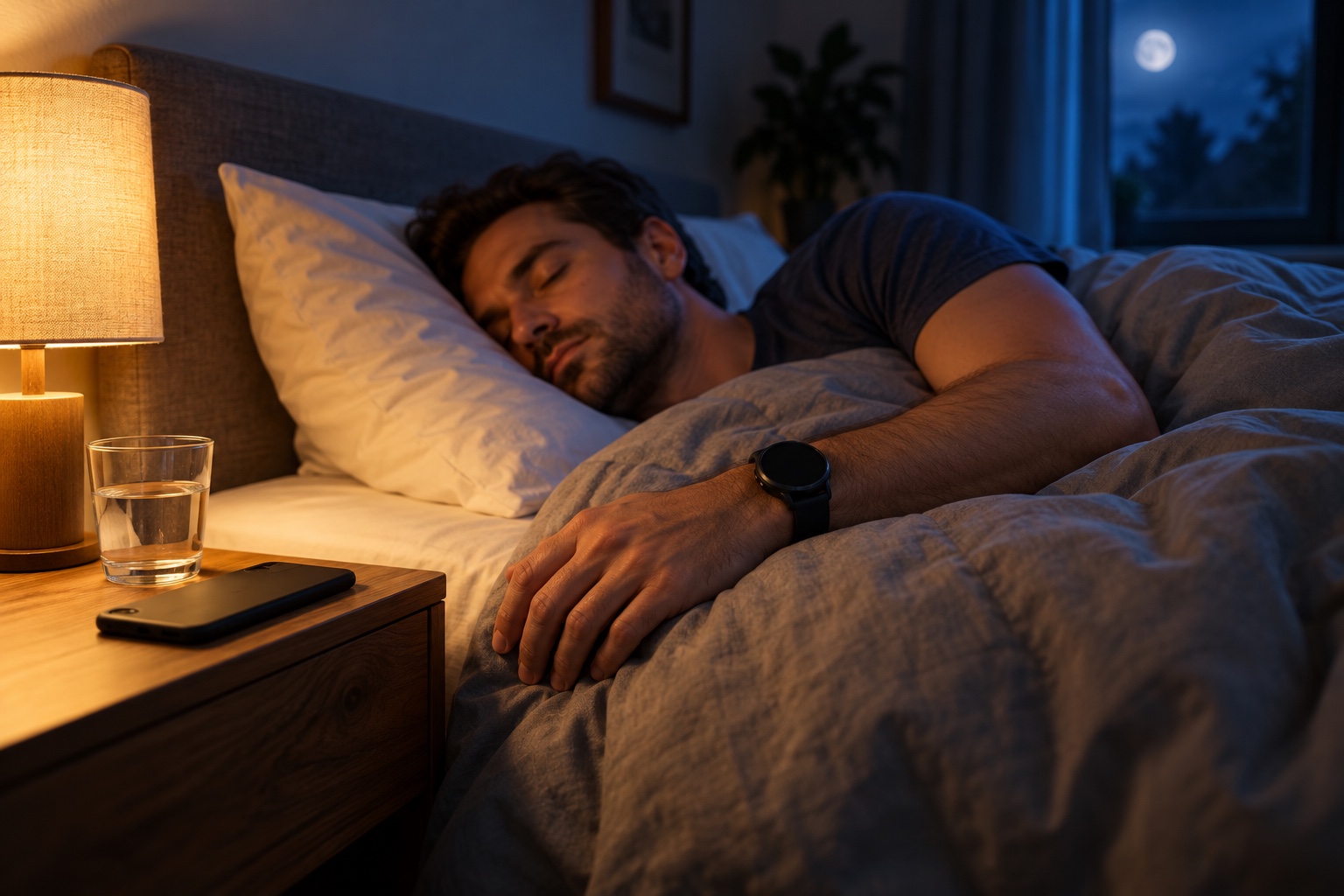
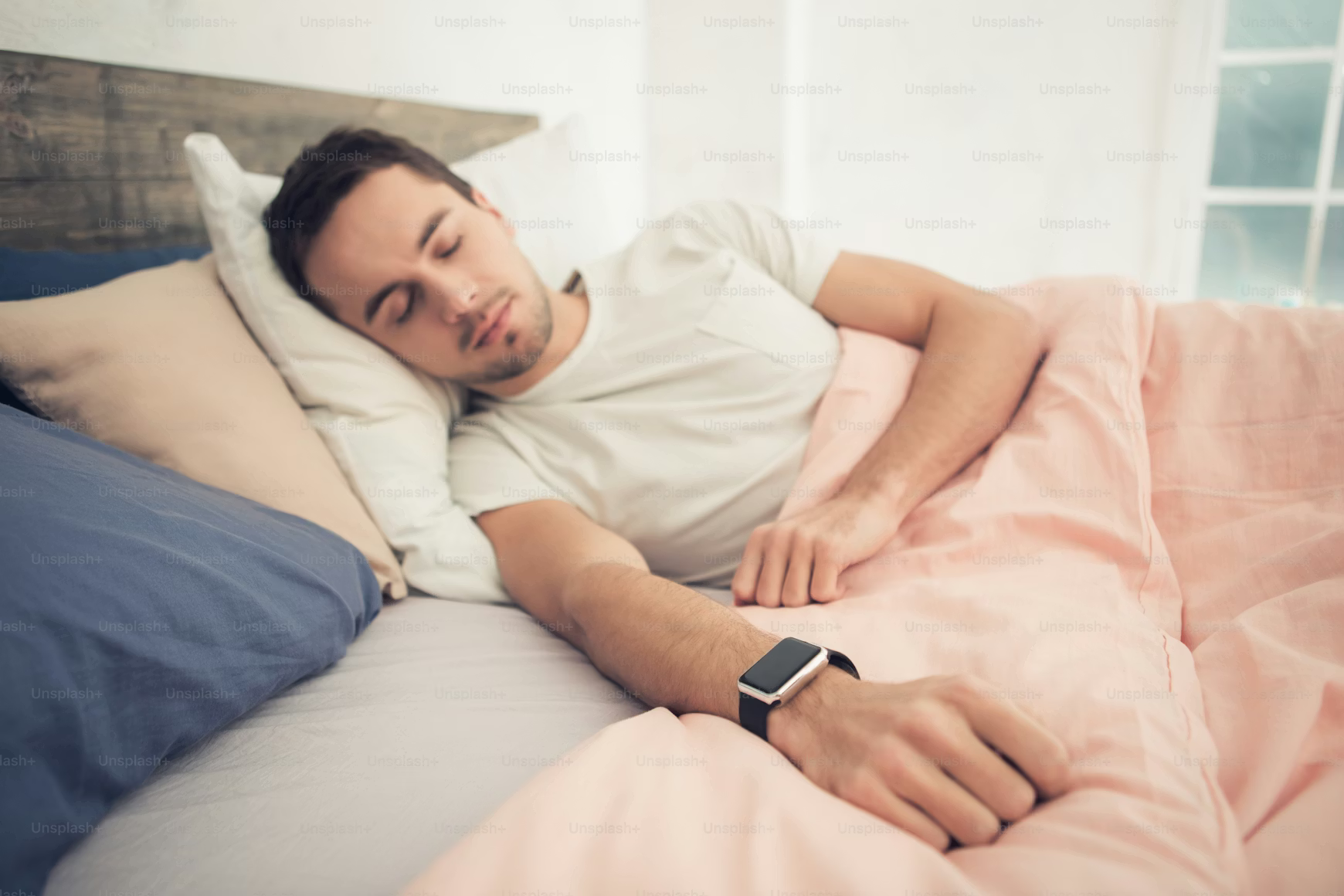
    A man asleep in bed at night, a round smartwatch on his wrist and his phone face down on the nightstand by a warm lamp.

    SleepSafe Is Coming to Android

    SleepSafe now runs on Android phones and Wear OS watches. The first version is in a closed test on Google Play, and we are looking for testers.

    SleepSafe for Android phones and Wear OS watches is in a closed test on Google Play. Here is what it does, what you need, and how to join the test.

    SleepSafe Team
    4 min read
    A woman sleeping peacefully in bed

    The Other Side of the Bed

    What it's like to love someone who has nightmares.

    Most writing about nightmares focuses on the person having them. But there is almost always someone else in the room: a partner, a parent, a sibling. This is for them.

    SleepSafe Team
    4 min read
    A woman sleeps peacefully on her side in the early morning light, wearing a smartwatch on the wrist resting on her duvet.

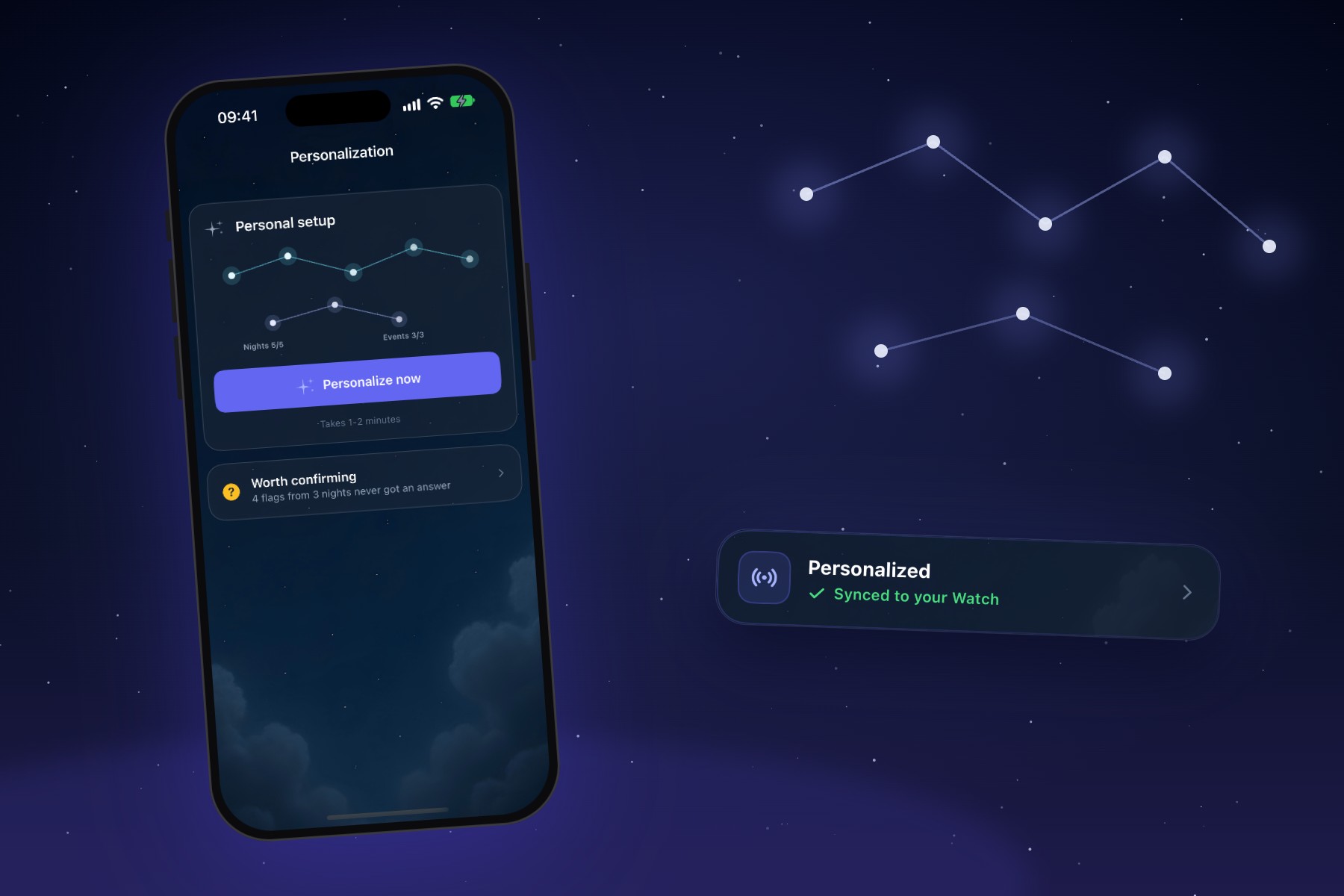
    SleepSafe Learns Your Nights

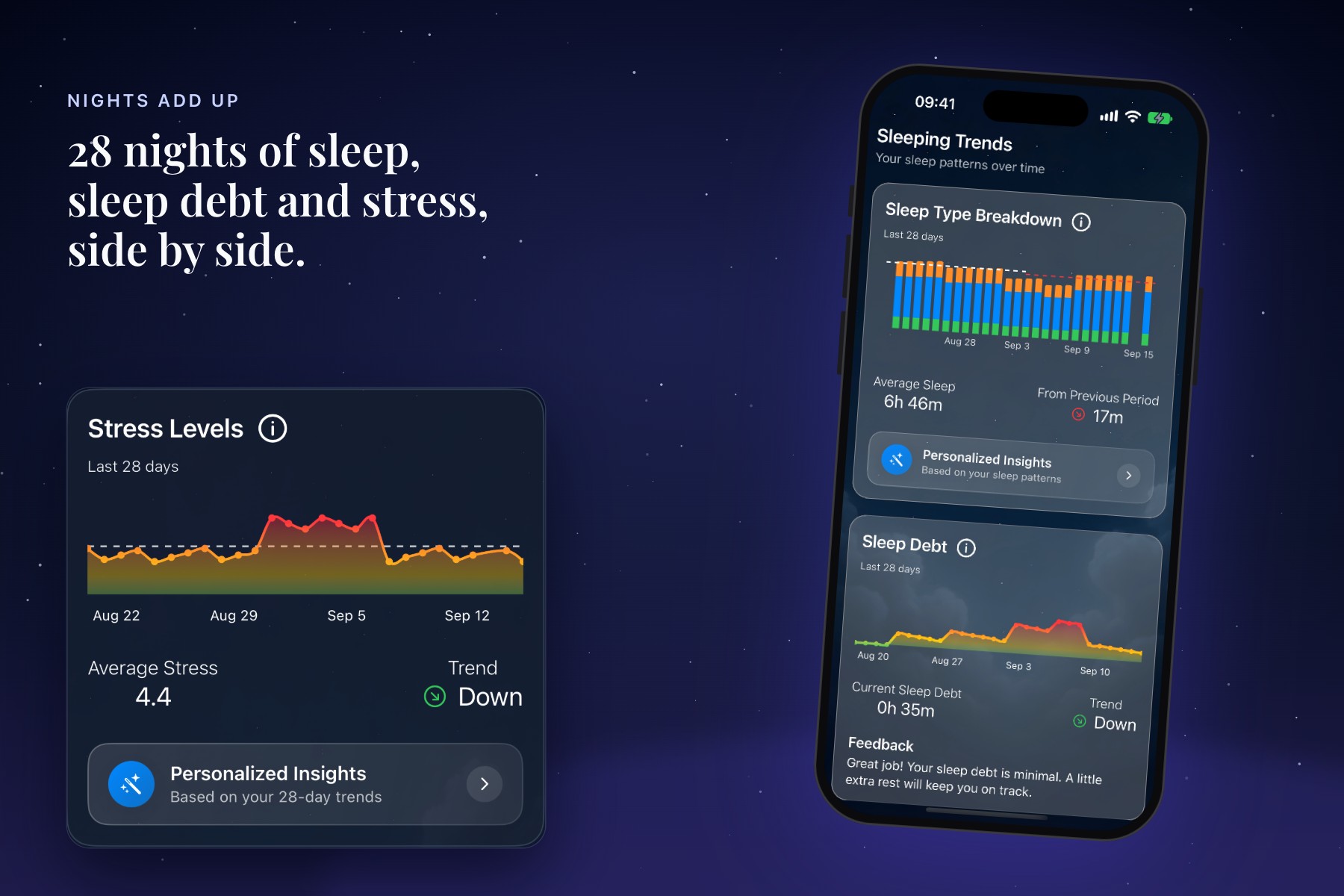
    Everyone's sleep has its own rhythm. After a few nights, SleepSafe can tune its detection to yours, on your own iPhone.

    No two sleepers look the same to a heart-rate sensor. After about five nights and a few confirmed events, SleepSafe can build a personal setup from your own nights, trained on your iPhone, and it only switches when the new setup does better.

    SleepSafe Team
    3 min read
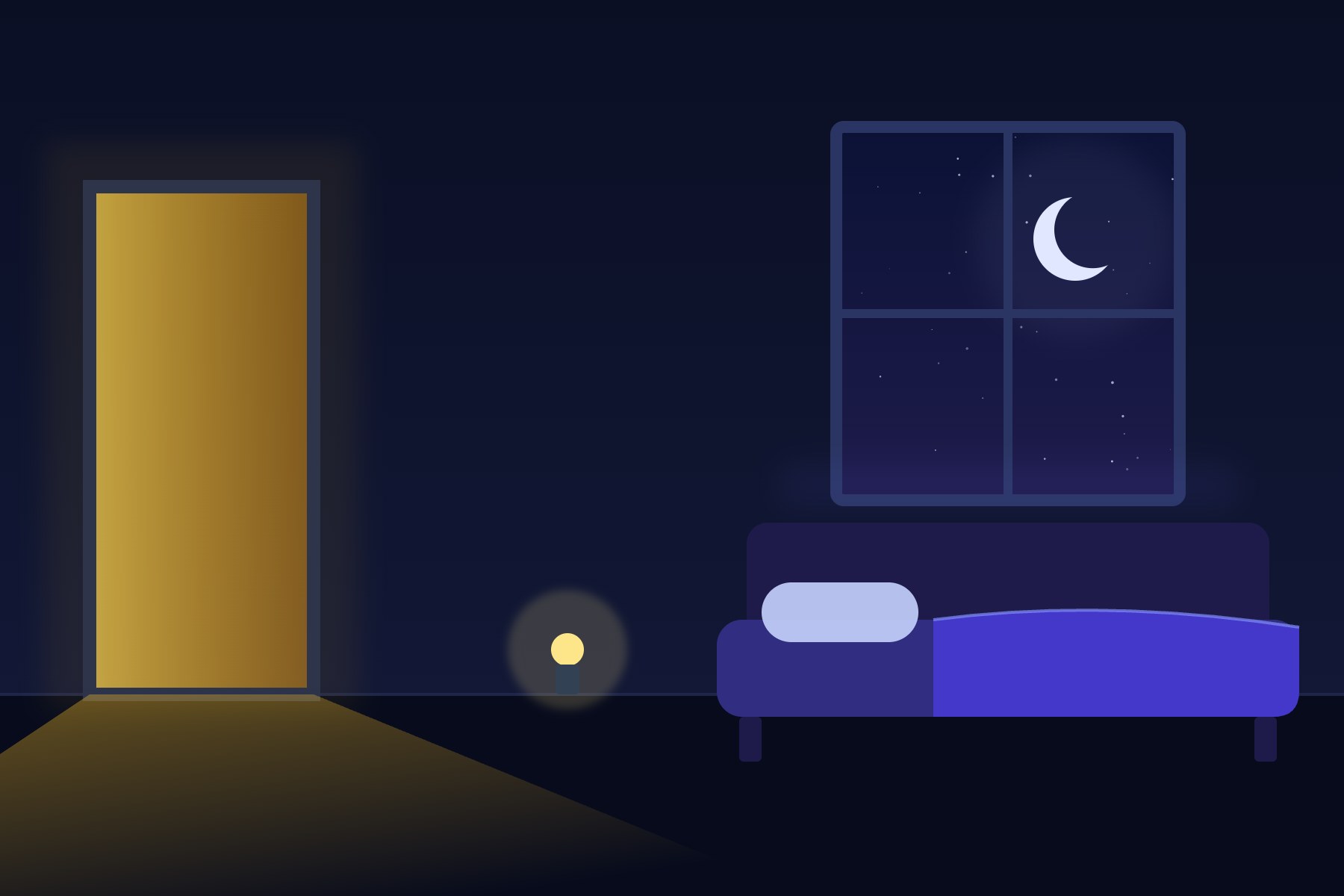
    A child's bedroom at night, calm and secure.

    Night Terrors Run on a Clock

    Why we taught SleepSafe to wake you up on purpose, gently, before the terror arrives.

    Night terrors run on a clock. A person who has them, child or adult, tends to have them at roughly the same time after falling asleep, night after night. SleepSafe's new scheduled wake-ups use that, quietly tapping the sleeper on the shoulder just before the clock strikes.

    SleepSafe Team
    4 min read
    A woman sits on the edge of her bed at night, fastening a smartwatch on her wrist by the light of a bedside lamp.

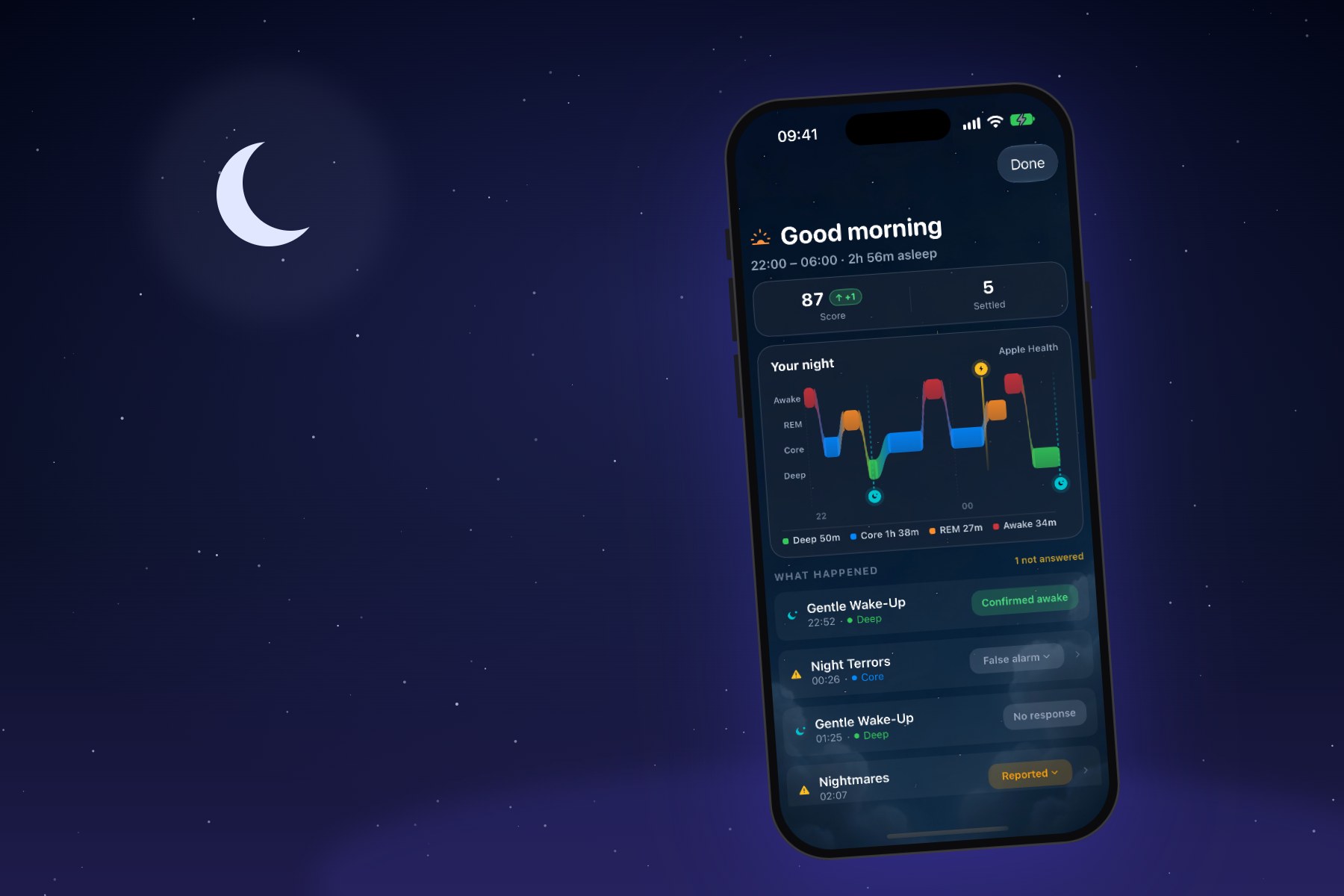
    Your First Night With SleepSafe

    A calm, practical walk-through: what to do before bed, what happens while you sleep, and how to read the morning.

    Setting up SleepSafe takes a few minutes. Here is how to get a good first night: what you need, how to start monitoring, what your iPhone and Apple Watch do overnight, and how to read and answer the morning report.

    SleepSafe Team
    4 min read
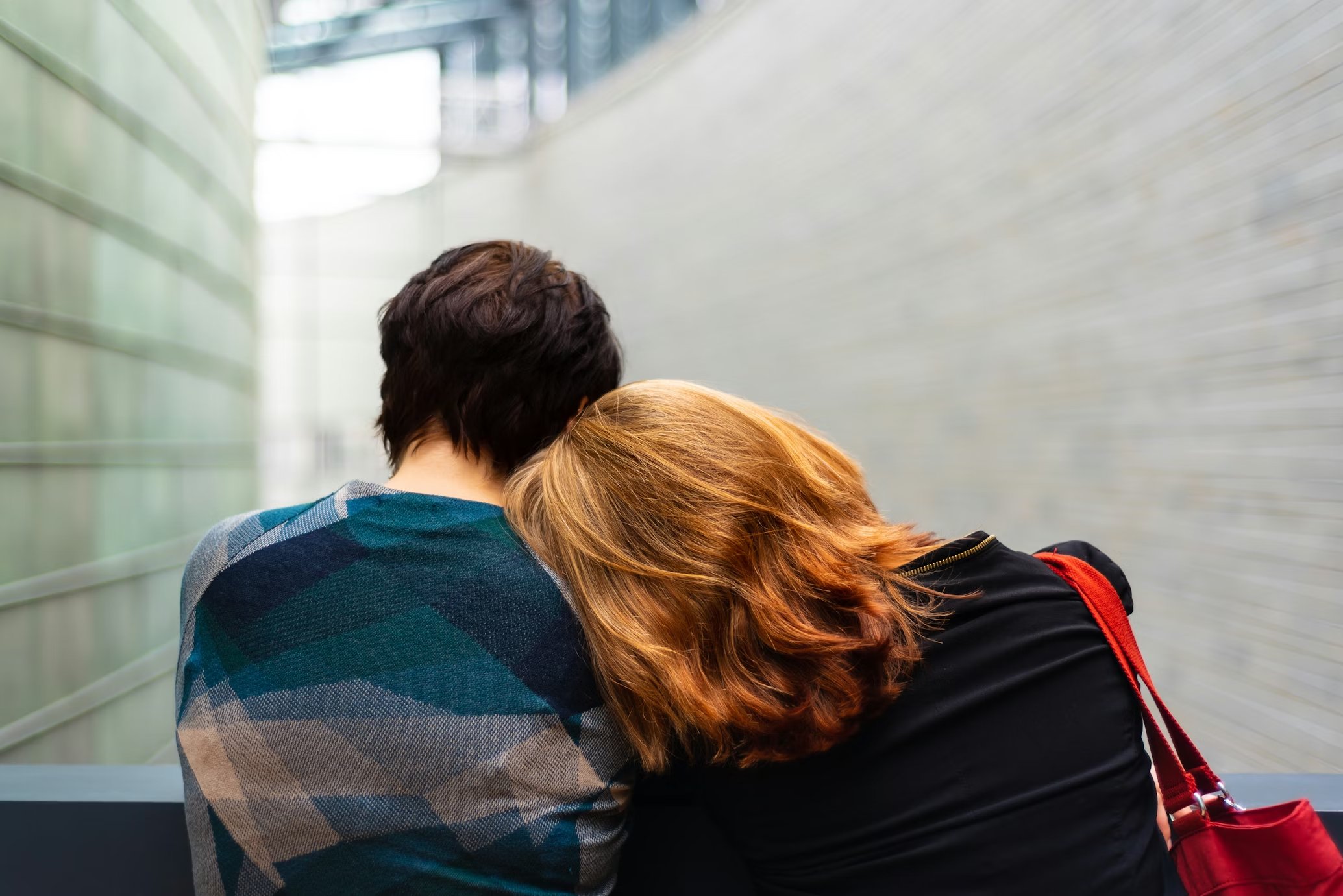
    Two people sitting together, one resting their head on the other's shoulder in a moment of quiet comfort and support.

    PTSD and Sleep: Why Nightmares Are More Than Just Bad Dreams

    For trauma survivors, nighttime can be the hardest part of the day. Here's what's happening in the brain, and what can help.

    The hardest part of the day for many trauma survivors isn't waking life. It's falling asleep. Research now shows why PTSD nightmares are so persistent, and what can actually be done about them.

    SleepSafe Team
    5 min read
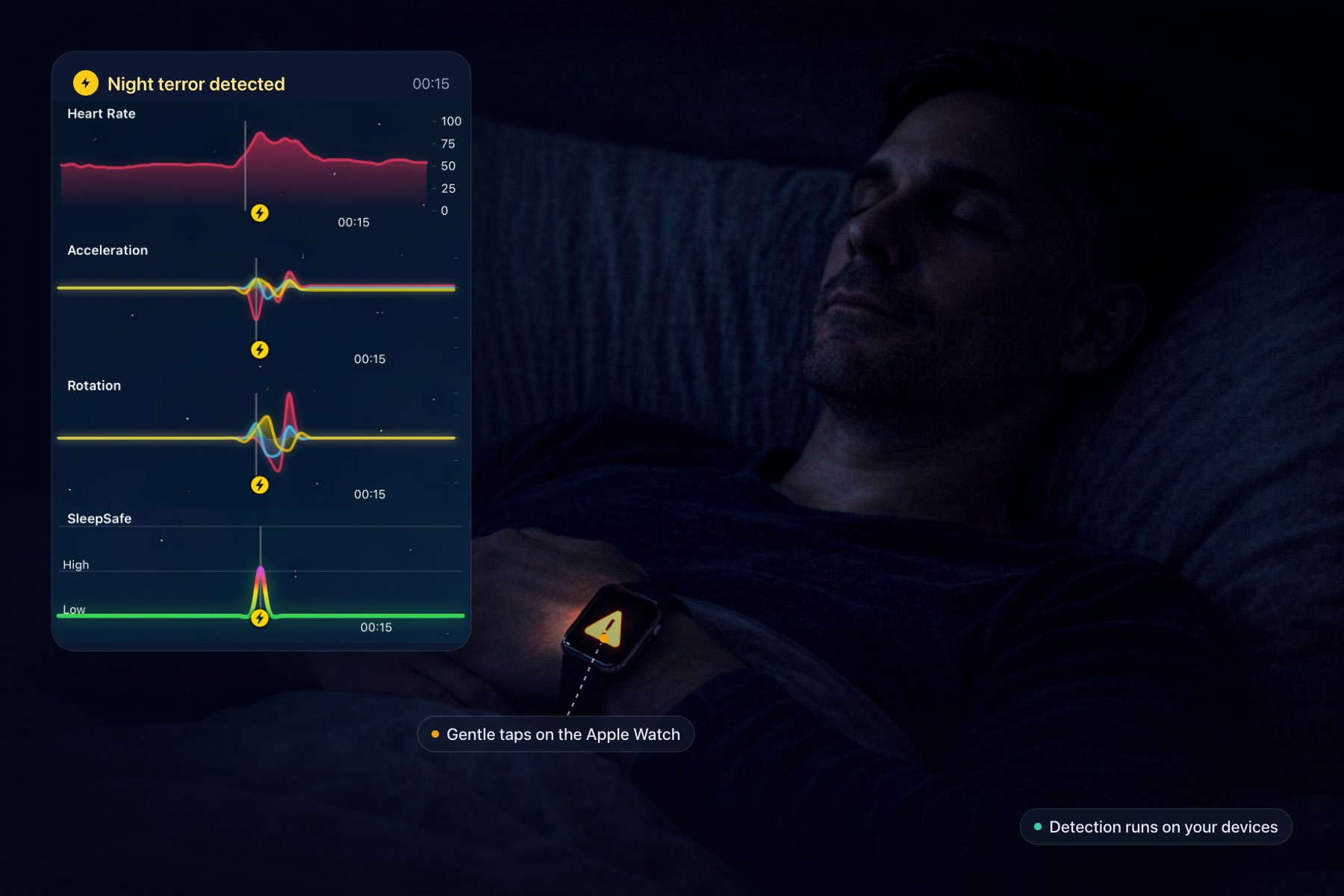
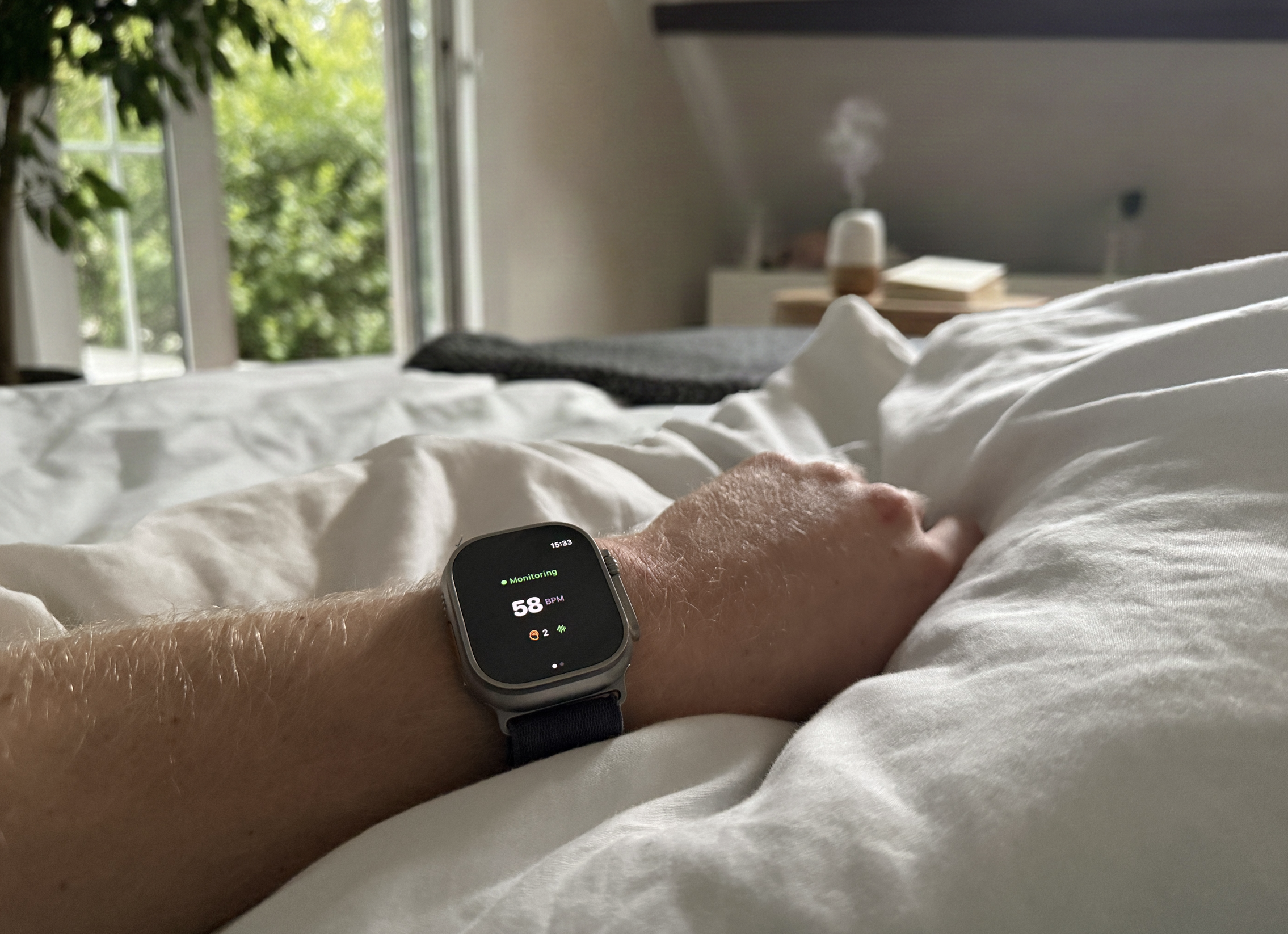
    A person asleep wearing an Apple Watch, beside a SleepSafe readout of a night terror showing heart rate, acceleration, rotation and the SleepSafe risk line.

    How SleepSafe Recognises a Nightmare

    Three ways of listening to a sleeping body, a warm-up that keeps early alarms quiet, and why the questions in the morning matter.

    SleepSafe watches for a nightmare in three ways at once: a machine-learning model reading heart rate and movement, a check for sudden heart-rate spikes, and optional sound recognition on your iPhone. Here is how each one works, and where the limits are.

    SleepSafe Team
    4 min read
    Your Data Stays Yours

    Your Data Stays Yours

    Privacy isn't a feature. It's a promise.

    Sleep is one of the most personal things there is. Here is how SleepSafe handles your data, and why you never have to think about it.

    SleepSafe Team
    2 min read
    Hands writing in a paper notebook at a wooden table by a window in daylight, with a cup of tea beside it.

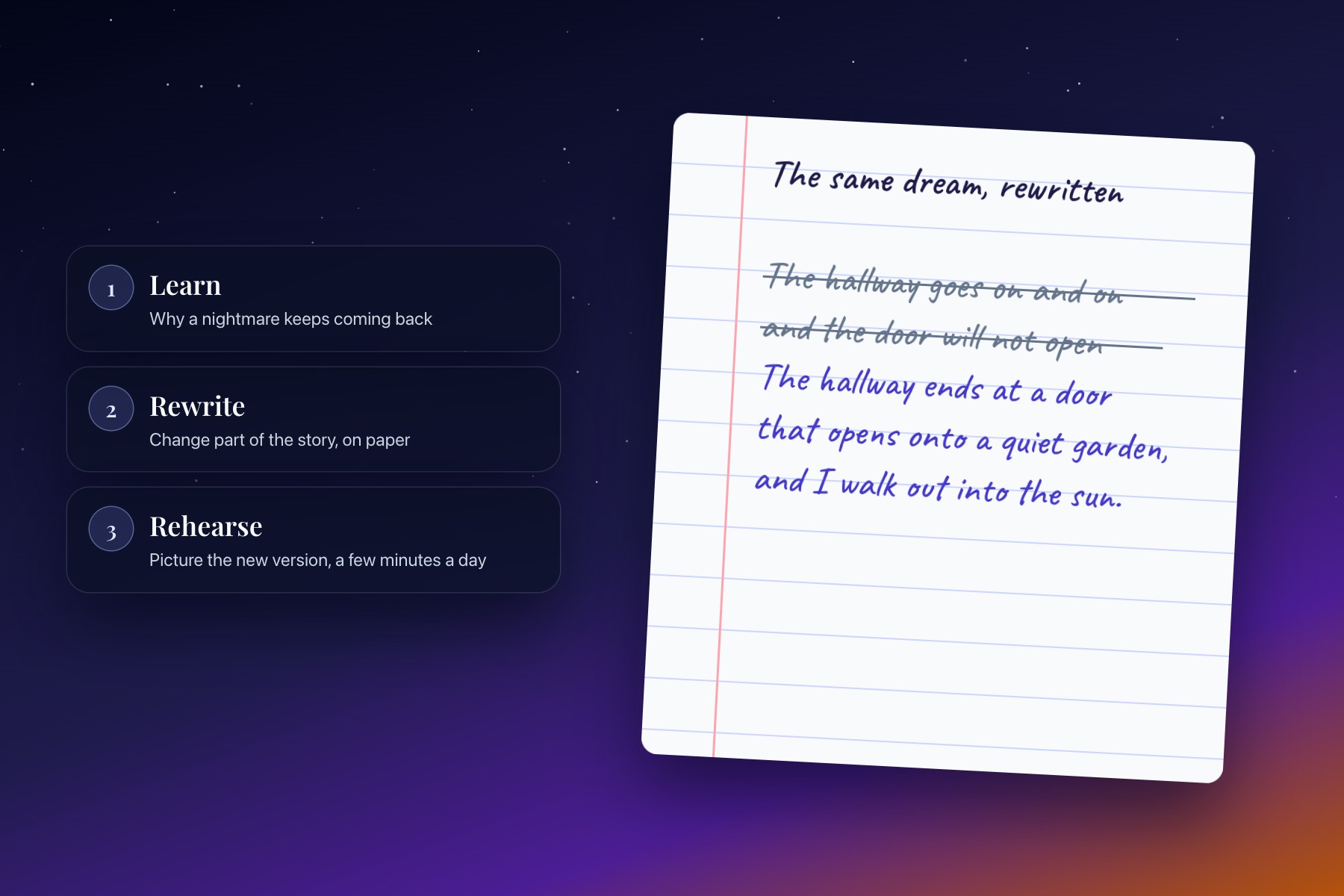
    Rewriting the Nightmare: How Imagery Rehearsal Therapy Works

    The best-studied approach to recurring nightmares happens in daylight, with a pen.

    Imagery rehearsal therapy asks you to change a recurring nightmare while you are awake, then rehearse the new version every day. It is the approach the American Academy of Sleep Medicine recommends for nightmare disorder. Here is how it works and what the research shows.

    SleepSafe Team
    3 min read
    SleepSafe app displaying real-time heart rate monitoring using physiological signals to detect and prevent nightmares.

    An App That Fights Nightmares While You Sleep

    A gentle vibration on your wrist could be the difference between terror and peace

    For millions worldwide, bedtime isn't peaceful - it's a nightly confrontation with terror. Now, a small team believes they've found a way to help: an app that watches while you sleep.

    SleepSafe Team
    3 min read
    A woman lies awake in bed in the middle of the night, moonlight across the duvet, one hand resting on her chest.

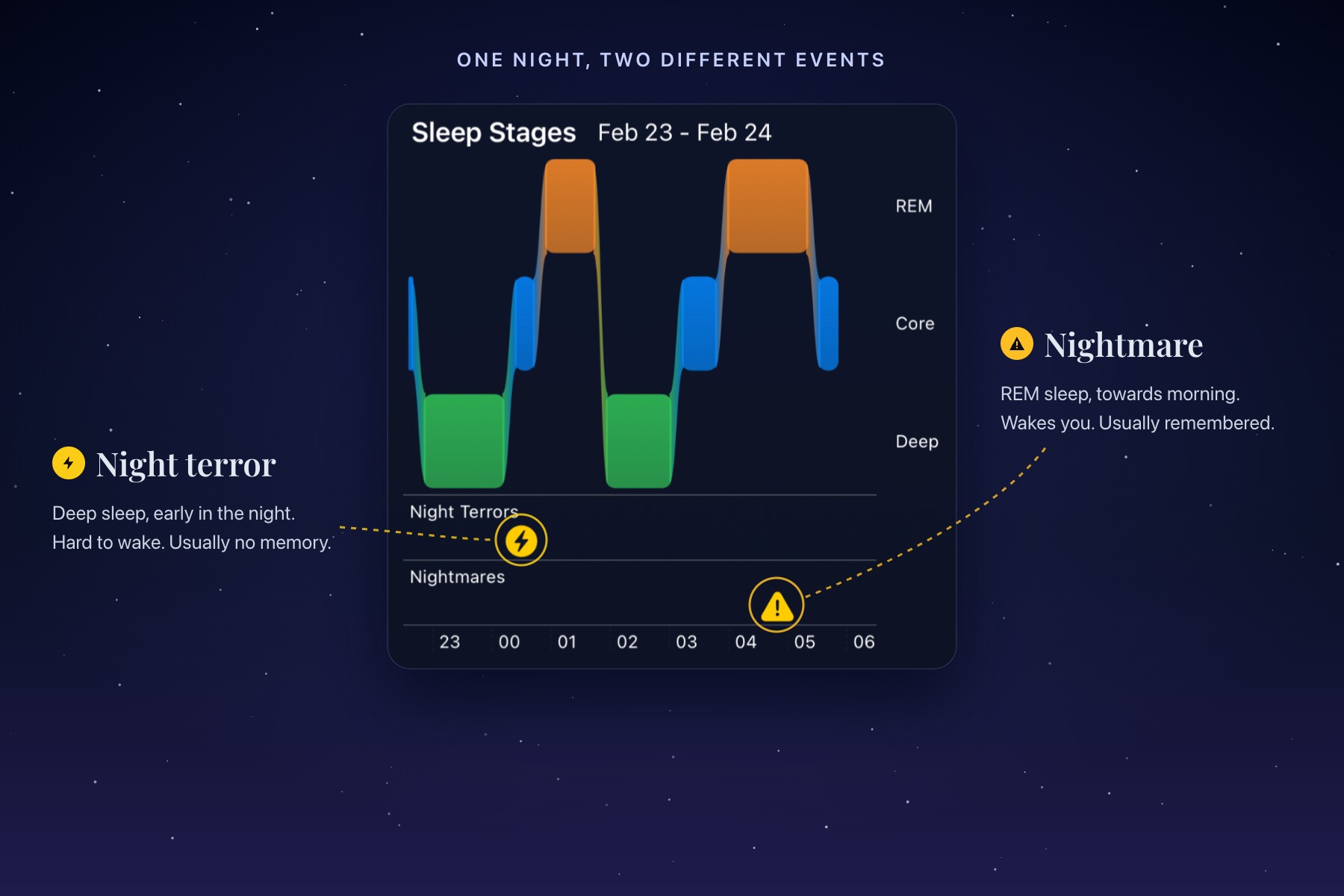
    Nightmare or Night Terror: How to Tell the Difference

    They sound alike and both happen in the dark. But they come from different stages of sleep, and they need different kinds of help.

    Nightmares and night terrors are often confused, but they come from different stages of sleep, happen at different times of night, and call for different responses. Here is how to tell which one you are dealing with.

    SleepSafe Team
    4 min read
    A parent sits calmly on the floor beside a child's bed at night, keeping quiet watch by the light of a small nightlight.

    What to Do During a Night Terror

    The scream, the open eyes, the child who does not seem to know you are there. What actually helps in those minutes, and what helps the nights after.

    A night terror can look like someone wide awake and terrified, but the person having it is still asleep. Here is what to do while it happens, what to avoid, and the one technique with real evidence for making night terrors stop.

    SleepSafe Team
    5 min read

    The SleepSafe Dispatch

    Expert insights on sleep science, nightmare research, and wellness delivered to your inbox.

    Join the community. Unsubscribe anytime. No spam, ever.

    Have a story to share?

    We're always looking for stories from people whose lives have been changed by better sleep. Your experience could help others.

    Share your story